Our Approach

The Pennyhooks Approach

Over the last 25 years we have been developing our approach to our autistic students. We now call it The Pennyhooks Approach and are ready to share it more widely with others.

Principally The Pennyhooks Approach is based on believing the best in the autistic person and the possibility of their wish to engage with others and in work-based activities.

Our work was originally inspired and influenced by the research into movement theory carried out by Martha Leary and Anne Donnellan in the 1990s.

In understanding and addressing the movement and sensory differences of autistic people, we seek to understand life from their point of view, and to believe in and enable the person within to emerge.

Over the next few months, we will be developing our training programme to share with others who may also wish to offer autistic adults opportunities to lead a meaningful working life.

Our Perception

We believe that people with autism have many strengths while also facing many challenges. Pennyhooks provides a purposeful, safe and compassionate farm community to support students to have a meaningful working life.

We ask our staff to understand that our students wake up each morning facing a mountain and that it is our job to level that mountain for them, so that they can tackle the opportunities that we offer.

Who We Help

Our core client group are school leavers aged 19+. Often they stay with us and some are now in their late 30s and early 40s. Their skills contribute to the learning and wellbeing of the whole group, as well as settling them into purposeful adult lives.

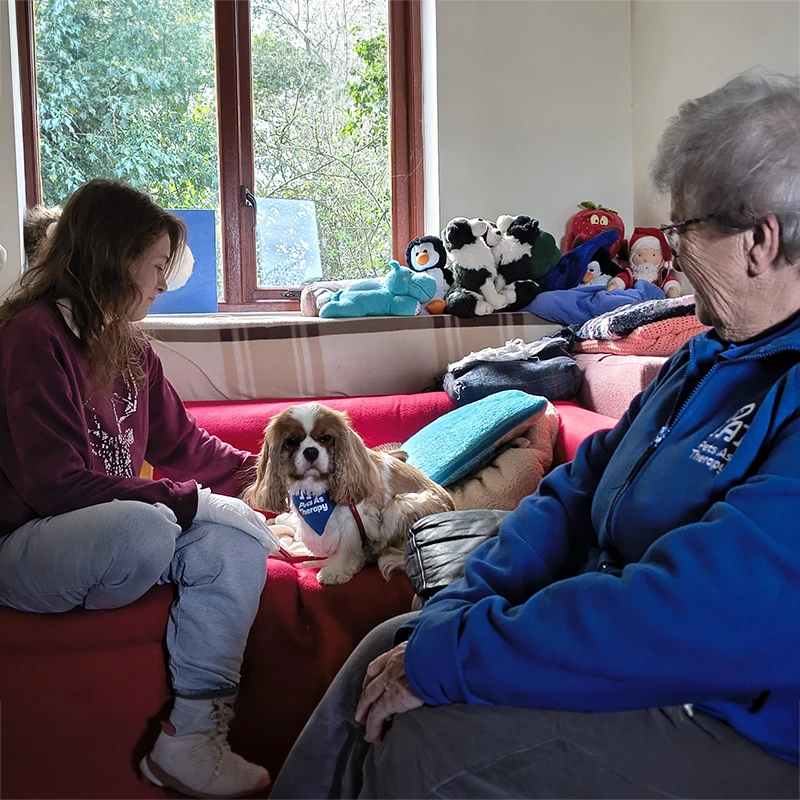
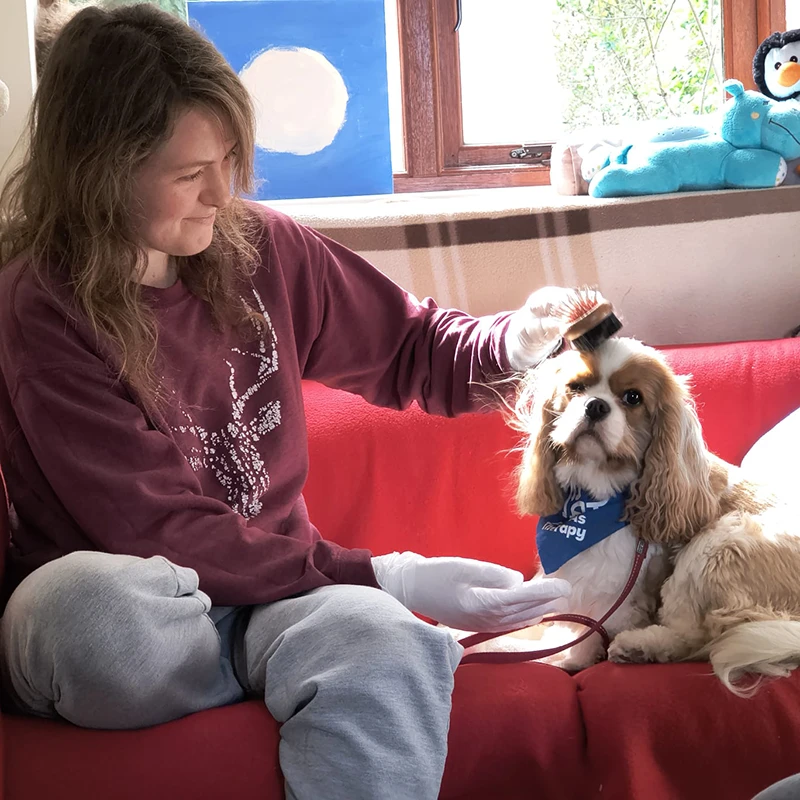
Many of our young people have little or no spoken language and the farm provides them with an environment which helps them to make sense of life’s patterns and routines and reduces their anxieties brought on by sensory overload experienced in other environments. In this enabling environment they can demonstrate and make use of the skills and sensitivities within them to the benefit of the farm.

We also been have some individuals who are living away from home in supported living situations, who visit weekly to add a sense of belonging and purposefulness to their emerging lives as adults.

Our Response

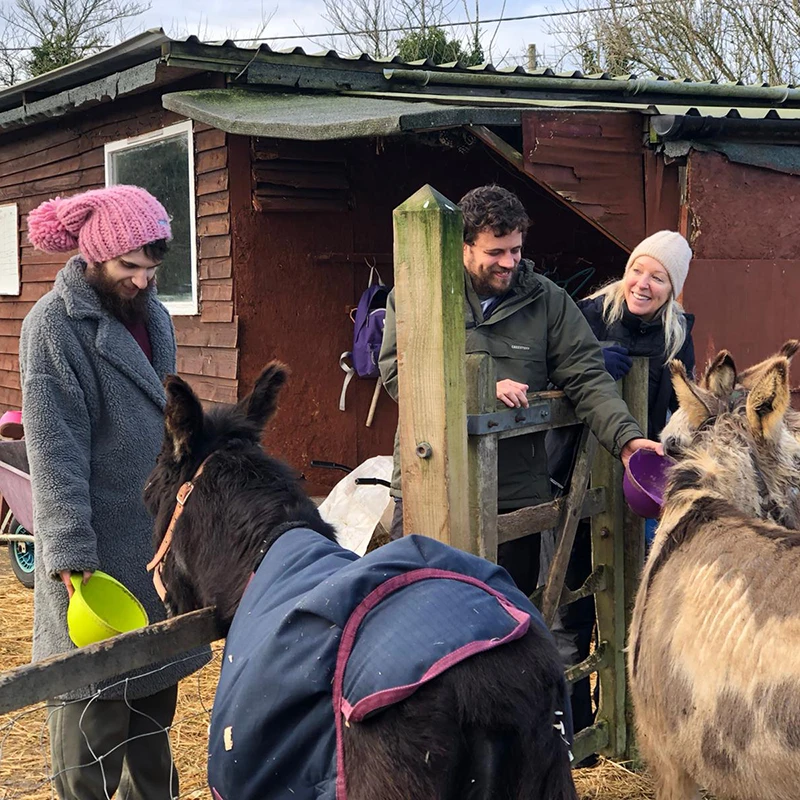
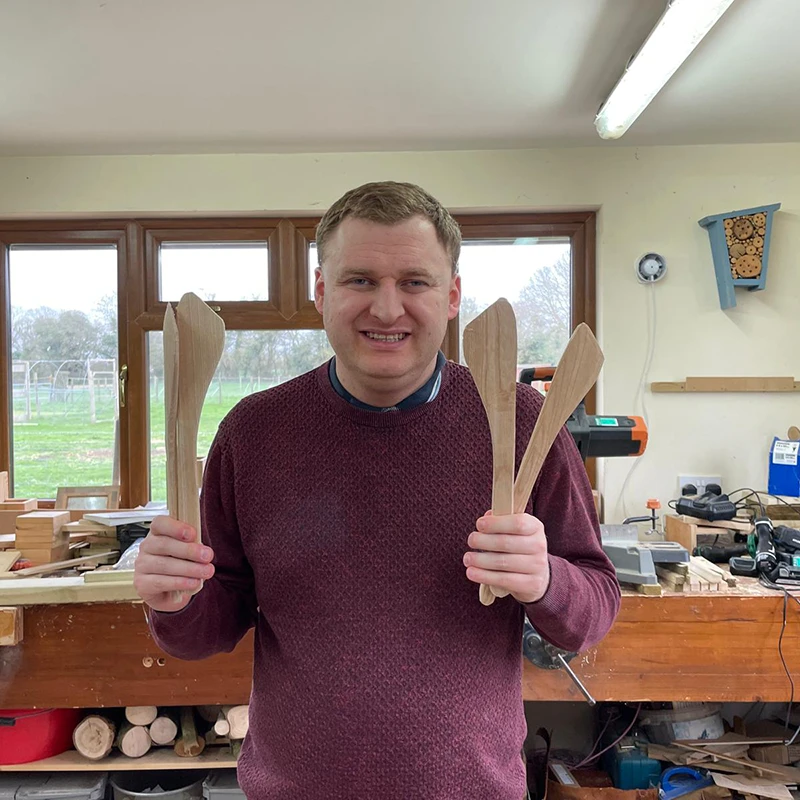
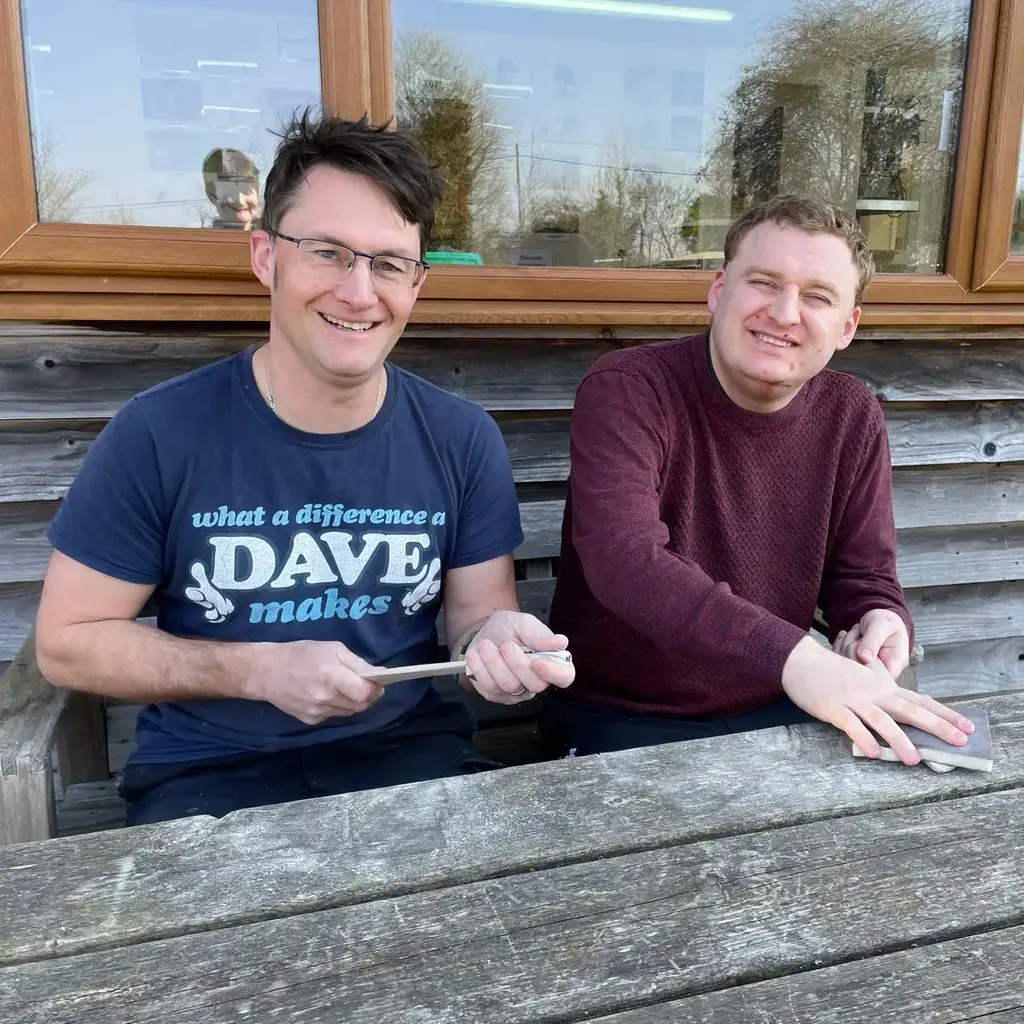
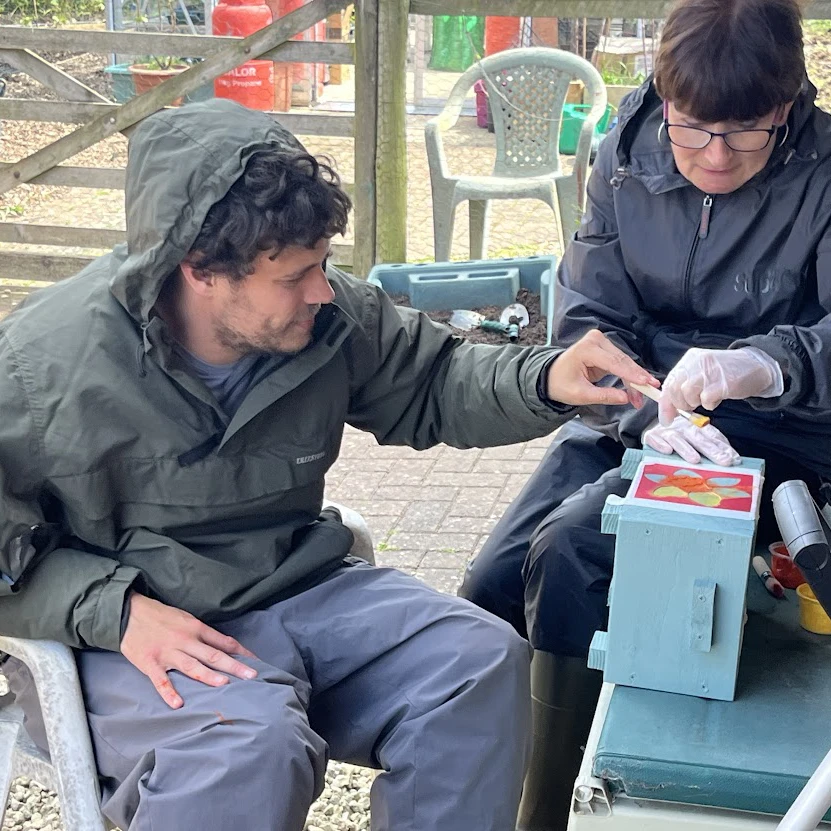
Our response is to work from success to success. We support students to join with the rhythms and routines of the farm’s daily life, as well as taking part in accredited work-based training. The result is that they gradually develop skills which contribute to them leading purposeful adult lives.

To understand more about our approach and the use of interaction with the farm to support our students’ needs, see our documents

Pennyhooks’ Response to Autism

Pennyhooks’ Colour Chart Autism Outcomes.

Autism

Autism is a condition that affects an estimated 1 in 80 of the population.

There is a wide spectrum of those living with autism. Many of the students at Pennyhooks are at the complex end of the spectrum. Some have little or no spoken language and also some significant movement, including repetitive actions. Others suffer from acute sensitivity to noise, light, smells, and touch. Yet they are also perceptive and seem glad to have the opportunity to use their strengths to contribute to the greater good, and they can learn and use practical skills if sympathetically supported.

Our Ethos and Core Values

Our emphasis at Pennyhooks is on creating the right environment for our young people to thrive; our farm jobs are adapted to suit them, and our three purpose designed buildings have lots of light and space. Our staff are experienced and our ethos is clear: always be kind; offer nurture and shelter; give as much support as needed; do not confront and try not to say no; and create opportunity for a working life in line with their peers; always have unconditional positive regard.

Our guiding principles are:

Table of Contents